Maryland's Domestic Violence Lease Protections: What Landlords Need to Know
A landlord in Lexington Park gets a letter from a tenant. She says she is a victim of abuse and needs to leave her lease. The landlord's first thought is that she cannot just walk away. In Maryland, the law may say otherwise, and it also has limits. Knowing both sides keeps you out of trouble.
What the Law Says
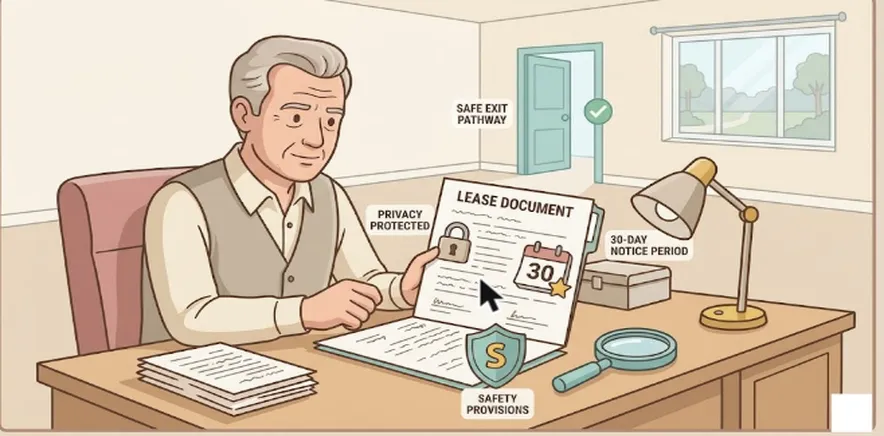
Maryland Real Property Section 8-5A-02 lets a tenant who is a victim of abuse end her lease early. She starts by giving the landlord written notice. After she gives notice, she has 30 days to move out. This is not a one-day exit. Notice comes first, and the 30 days follow.
What the Tenant Owes
The tenant owes rent only from the date of her notice to the date she moves out, and that amount is capped at 30 days. If she leaves before the 30 days are up, she must send a signed, notarized notice. After she leaves, the landlord must inspect the unit and give her a written statement of the rent owed or any refund.
What If She Does Not Move Out?
If the tenant does not leave within 30 days, the landlord has options. He can use the usual holdover remedies in Section 8-402, or he can treat her notice as withdrawn.
The Exception Every Landlord Should Know
The law has an exception. If the tenant is the respondent in a protective order or a peace order that is based on abuse, this early exit does not change her future liability. Protective orders come from Family Law Section 4-506. Peace orders come from Courts Section 3-1505. Many real situations are messy, so read the order and the notice carefully before you decide what the tenant owes.
What Landlords Should Do
Keep every notice in writing. Date it when you receive it. Do the move-out inspection and send the written statement. Do not demand the full remaining lease term without checking the law first. If you are not sure whether the exception applies, talk to a Maryland attorney.
How This Can Play Out
A landlord in Great Mills receives a written notice from a tenant on the first of the month. The tenant moves out on the twentieth. The landlord does the inspection and sends a written statement showing rent owed from the notice date to the move-out date. He keeps the records in the file. A month later there is no dispute, because he followed the steps.
Common Questions
Can I charge for the rest of the lease? Not under this law, if the tenant qualifies. Her rent is limited to the notice-to-move-out period, up to 30 days.
What if I think the tenant is the one named in the order? That is the exception. Read the order and ask a Maryland attorney before you act.
Does the notice have to be in writing? Yes. The law calls for written notice.
Not Sure What to Do?
It starts with a conversation. We walk through the steps, what to put in writing and when to bring in an attorney. Start here: https://rental911.net/coaching
This is general information, not legal advice. Source: Maryland Real Property Section 8-5A-02. Confirm current law with a Maryland attorney.
